This interview is part of the Mediterranean Voices series, a new communication initiative of Federation of Mediterranean Certified Accountants (FCM).
The objective of this series is to:
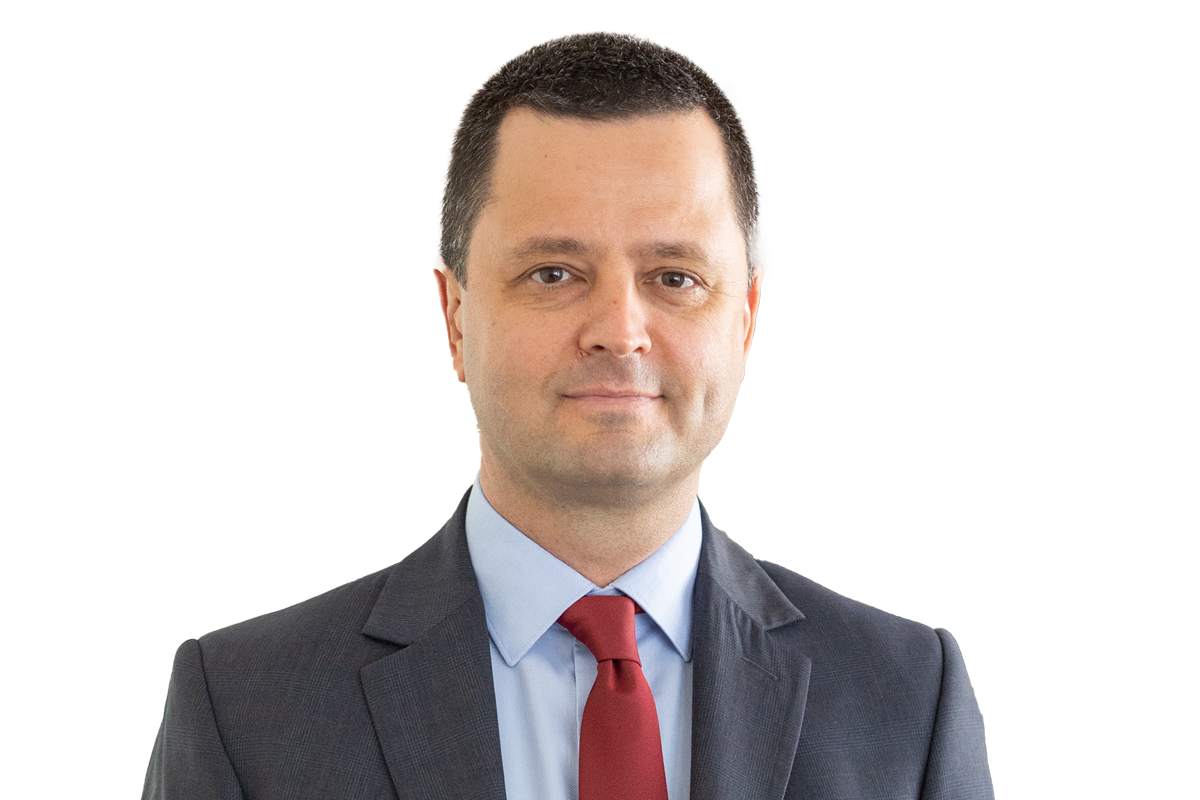
Today, with Dr. Iliev, President of the Institute of Certified Public Accountants in Bulgaria (ICPAB), Bulgaria.
Please briefly introduce yourself.
My name is Ilia Iliev, and I have been the President of the Institute of Certified Public Accountants in Bulgaria (ICPAB) since April 2024. I graduated from the Faculty of Finance and Accounting at the University of Economics in Varna in 1994, and since 1999, I have been a certified public accountant (CPA) and a member of ICPAB. My professional background, spanning over 30 years, includes working as an accountant, chief accountant, and independent financial auditor. Since 2001, I have been a managing partner at Primorska Audit Company, which is a member of Russel Bedford International. From 1995 to 2009, I was a lecturer in accounting and audit at the University of Economics in Varna and Varna Free University "Chernorizets Hrabar". Over the years, I have gained considerable experience in auditing and consulting for companies from various sectors of the economy. I have also been actively involved in the management of our professional organisation, being a member of the Board of Directors from 2004 to 2007 and from 2017 to 2024.
How would you describe your organization’s role within the accountancy profession and the Mediterranean community?
All CPAs in Bulgaria are members of ICPAB, and it is the only accounting professional organisation in Bulgaria that is a member of IFAC, which significantly increases its responsibility for the development of the profession and legislation in our country. Within the Mediterranean community, we see an opportunity to share experiences and seek solutions to the challenges we face, many of which are global in nature.
In your view, what are the main challenges and opportunities currently facing the accountancy profession?
Our profession has always been closely linked to both the socio-political environment and economic and technological developments. In this sense, the main challenges of today are just the global changes in economic and socio-political systems and, of course, the development of new technologies. I would highlight the following main challenges:
Digitalisation - automatic accounting, artificial intelligence and blockchain reduce the need for routine work, which requires accountants and auditors to develop new skills.
Regulations - constant changes in accounting and audit legislation necessitate continuous updates to knowledge. We need to review and rethink the extent of external regulations on us so that we can meet the requirements of businesses and society.
The attractiveness of the profession and the shortage of young professionals – smaller practices find it difficult to retain young professionals who are oriented towards new technologies.
I believe that, despite the objective difficulties our profession is facing today, it will continue to be an essential part of the economy's functioning, and its role will not diminish. Our success will depend on our ability to combine professional expertise with digital skills, business vision, and adherence to high ethical standards.
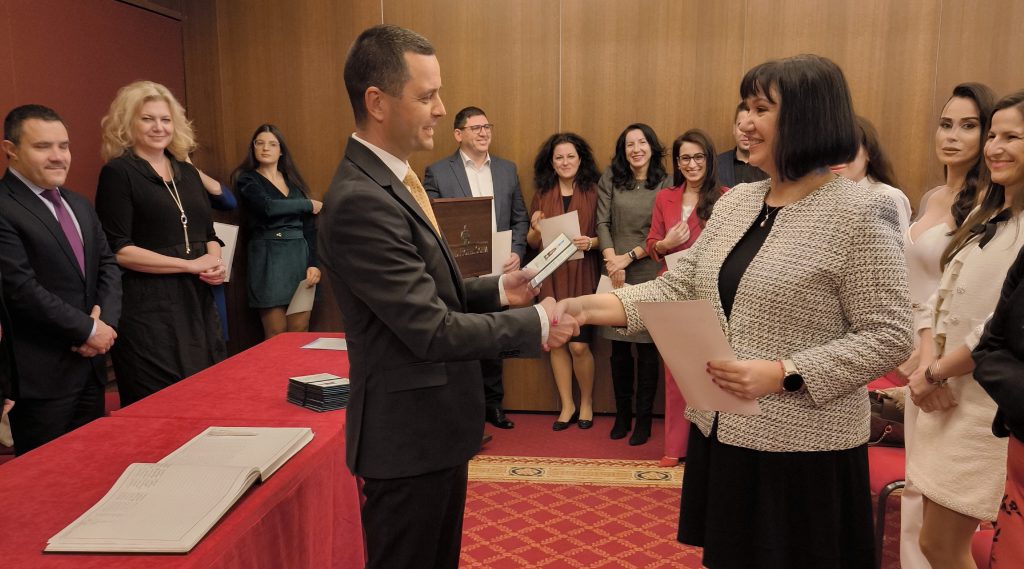
New professional
How is your organization preparing its members for technological developments such as digitalization, artificial intelligence, and ESG?
I am unlikely to give an answer that is original and different from that of my colleagues. At ICPAB, we develop training and qualification programs for our members, organise seminars, webinars, and courses on topics such as the automation of accounting and audit processes, the use of financial analysis software, and artificial intelligence in accounting and auditing. We are in talks to establish partnerships and cooperation with technology companies for training on real software solutions. We also rely on our international contacts to exchange good practices and experience.
What is the accountant's role in fostering economic and social sustainability today and in the future?
A professional accountant is not only responsible for financial reporting, but also acts as an intermediary between businesses, society, and the State in their dialogue. They can contribute to better resource management, leading to a more sustainable economy and a more equitable society.
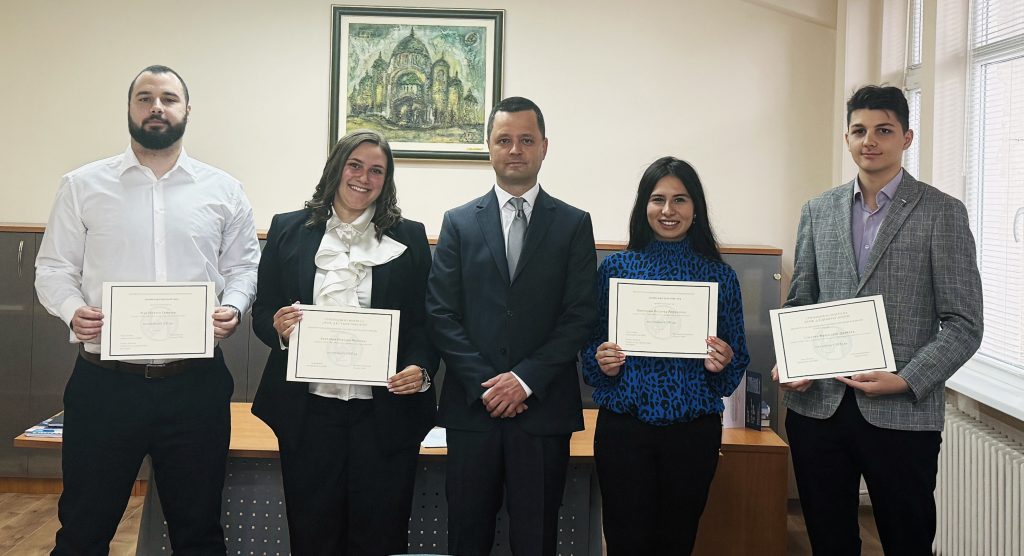
New professionals
What does being part of FCM mean to you and your organization?
Being part of FCM means being part of a professional family that shares a common vision for the development of the profession. That is a serious and demanding commitment.
What benefits would you highlight from participating in the FCM network?
Cooperation within the FCM network is a valuable resource for developing a more competent, innovative, and globally connected accounting profession that can effectively meet the needs of businesses and society.
Is there a specific topic you would like to see FCM focus on more strongly in the coming years?
I believe that one of the key topics that should be in focus, not only for the FCM, is the topic of the profession’s independence. In my opinion, the supervision and regulation of the audit profession limit its independence, and their impact should be analysed and reconsidered in the public interest.
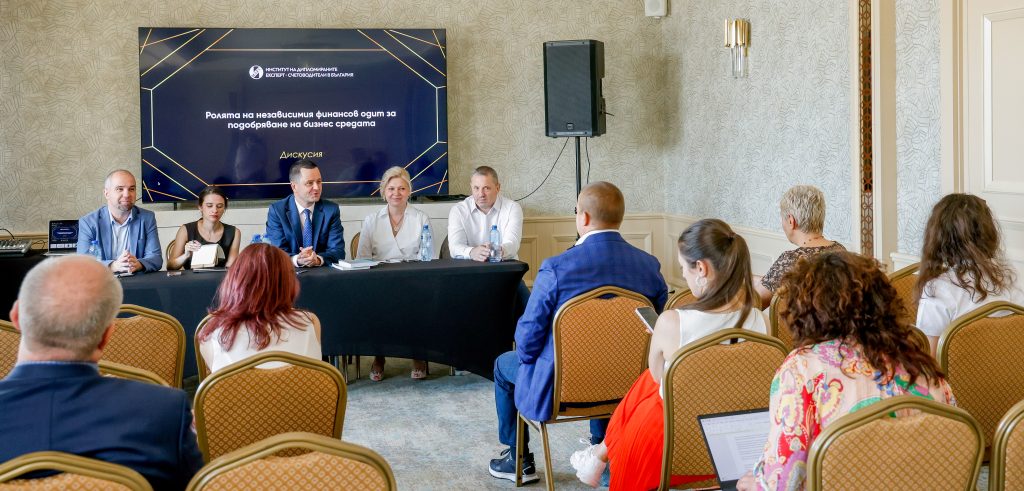
Professional Conference
Beyond your professional responsibilities, what hobbies or personal interests do you enjoy?
As a child, I used to play soccer, and I still love the sport today, although I have almost stopped playing in recent years, mainly due to a lack of time. I love skiing and swimming, and I strive to stay in good shape. Another favourite hobby is reading books, and last but not least, the talks and meetings with friends.
If you could choose one Mediterranean destination for a short getaway, which one would it be — and why?
I have been on vacation in Greece and Italy and would love to go again. I am convinced that all network countries have their outstanding features, so it is difficult for me to name just one place. However, to answer the question, I would say Greece, because as a neighbouring country to Bulgaria, it is the most accessible; you can travel there by car, plane, or other public transport.
What message would you like to share with your fellow professionals and the wider FCM community?
Today, the accounting and audit profession faces challenges that require us to be proactive to handle them. Our strength lies in our professionalism, independence, and adherence to high ethical standards. Let us work for transparency, ethics, and innovation, because in doing so, we not only strengthen our profession and its independence, but also contribute to the development of a more sustainable and fair economy.
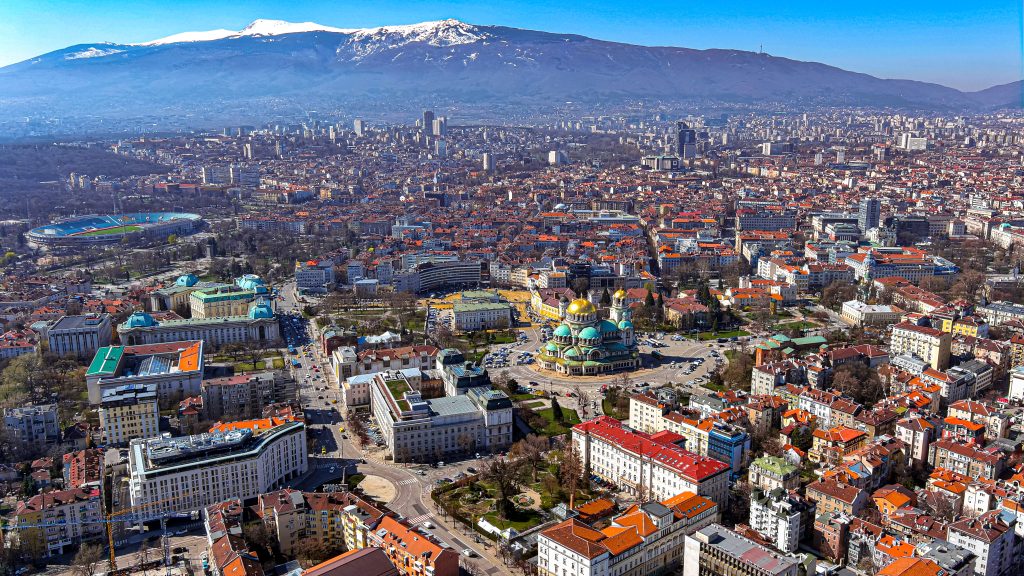
Sofia

