This interview is part of the Mediterranean Voices series, a new communication initiative of Federation of Mediterranean Certified Accountants (FCM).
The objective of this series is to:
Today with Dr. Luigi Alfredo Carunchio, President APRI International by Fondazione Confprofessioni, Italy.
Please briefly introduce yourself.
My name is Luigi Alfredo Carunchio and I am a chartered accountant and statutory auditor with almost thirty years of professional experience. I graduated in Economics from the University of Bologna and have dedicated my career to supporting businesses and professionals in navigating complex regulatory, fiscal and international environments.
I am a founding partner of Valore Associati, a multidisciplinary consulting firm based in Abruzzo with offices in Milan and Tuscany, offering advisory services in corporate law, tax, business strategy and EU contract management. In parallel, I have always invested time in training and capacity building for my peers, serving as lecturer on European contract law, internationalisation processes and innovative topics such as blockchain and transfer pricing.
Today, I am proud to serve as Chairman of APRI International, an organisation deeply committed to strengthening the global presence of liberal professionals and fostering international partnerships across Europe and beyond. From November 2024, I am the Secretary General of Confprofessioni the main Italian organisation representing liberal professionals.
How would you describe your organization’s role within the accountancy profession and the Mediterranean community?
APRI International is, in essence, a catalyst for the international growth of the liberal professions. We design strategies, create institutional bridges and provide technical support to help professional organisations expand their reach and seize new opportunities abroad.
In the Mediterranean context, our role is to build concrete connections between professionals and key stakeholders — chambers of commerce, diplomatic networks, EU institutions and trade agencies — so that our members can operate confidently across borders.
By organising international missions, such as recent delegations to the United States, Asia and the Middle East, and by promoting high-level events like the Annual International Meeting (AIM) in Rome, we offer a platform for dialogue and exchange that helps strengthen the competitiveness and visibility of Mediterranean professionals on the global stage.
In your view, what are the main challenges and opportunities currently facing the accountancy profession?
The profession is living through a moment of profound transformation driven by digital disruption, the widespread integration of AI tools and the growing pressure to align with global sustainability frameworks. Accountants face the daily challenge of staying up to date in an environment where technical skills alone are no longer sufficient — we must be proactive partners for companies and institutions, capable of translating complex regulatory frameworks into actionable strategies. At the same time, this is a unique opportunity to reposition our role: digitalisation and ESG reporting open doors for accountants to step into more advisory, managerial and policy-oriented functions. By embracing these changes, we can strengthen our relevance and ensure that our profession continues to add tangible value to businesses and society.
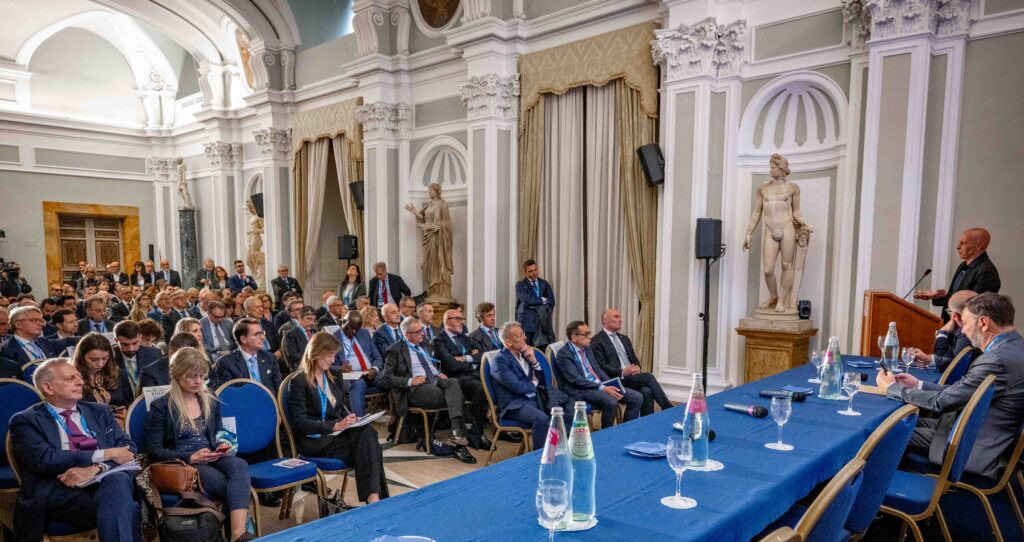
AIM2025 audience
How is your organization preparing its members for technological developments such as digitalization, artificial intelligence, and ESG?
One of APRI International’s main priorities is to provide forward-looking training and knowledge transfer opportunities. For example, we run advanced training courses specifically designed for professionals who need to manage international contracts, ESG compliance and technological innovation. Our Advanced Training Course for Honorary Consuls is another example: it combines institutional capacity building with practical tools to strengthen diplomatic and commercial relations between countries — with clear benefits for professionals who act as a bridge for international investments and exchanges. We also maintain a continuous dialogue with stakeholders like CEPLIS, Confprofessioni and European institutions, ensuring that our members receive timely information and best practices on how to integrate digital tools, AI applications and ESG principles into their day-to-day work.
What is the accountant's role in fostering economic and social sustainability today and in the future?
Today, the accountant’s role extends well beyond financial statements. We are often the first advisors that entrepreneurs and organisations consult when making strategic decisions about growth, governance and sustainability. It is our responsibility to promote ethical business conduct, support transparent financial reporting and encourage investments that generate long-term value for communities. In the years to come, accountants will increasingly be called upon to guide clients through ESG compliance, sustainability audits and impact measurement. This positions us as key allies in the collective effort to build more resilient, inclusive and environmentally conscious economies.
What does being part of FCM mean to you and your organization?
Being part of the FCM represents much more than membership in a professional network — it embodies our shared commitment to giving a stronger, more unified voice to the liberal professions across the entire Mediterranean region. For APRI International, FCM is both a platform for institutional dialogue and a concrete instrument for developing practical initiatives that support the daily work of our members. It provides us with direct channels to discuss policy priorities with European and international institutions, and it creates opportunities to translate these discussions into tangible projects and services.
Above all, it means contributing to a collective vision: strengthening the Mediterranean identity within the global economy by promoting knowledge exchange, mutual support and collaboration among professionals from diverse countries, cultures and systems.
Through FCM, we feel part of a broader community that believes in the transformative power of professional excellence and cross-border cooperation to generate sustainable economic and social development.
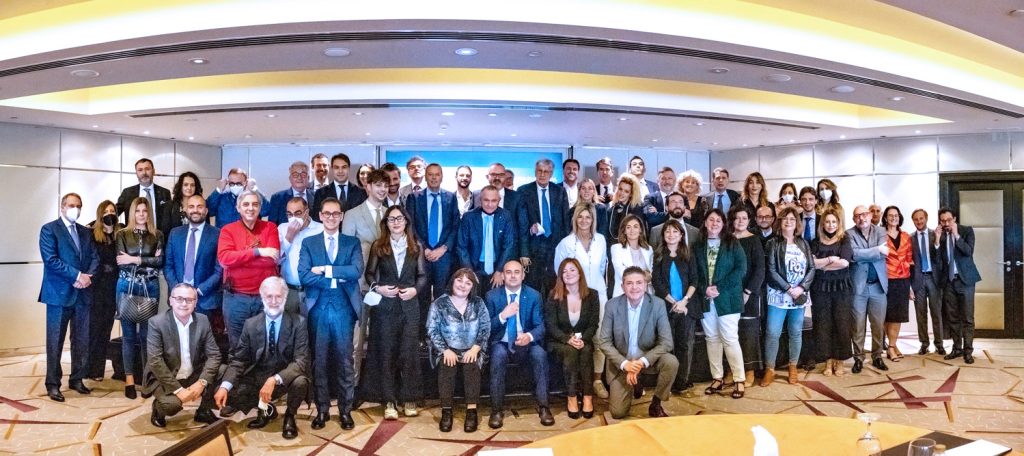
DUBAI Delegation
What benefits would you highlight from participating in the FCM network?
Participating in the FCM network brings significant benefits that go far beyond formal representation. First, it offers institutional visibility and influence: through FCM, we have a seat at the table where decisions are discussed that directly impact our profession — from EU directives to cross-border practice recognition and mobility of services. Second, FCM facilitates real cross-border collaboration. Thanks to the network, we can design and implement joint training programmes, thematic working groups, research projects and delegations that allow professionals to share expertise, open new markets and strengthen cultural understanding.
Third, and equally important, FCM boosts our credibility and reputation at national and international levels. Belonging to a respected federation reassures partners, institutions and stakeholders that we adhere to high standards of professionalism, ethics and transparency.
Last but not least, the FCM network fosters a sense of belonging. It reminds us that we are not isolated national players but part of a dynamic Mediterranean ecosystem that values solidarity, innovation and the continuous development of our professional communities.
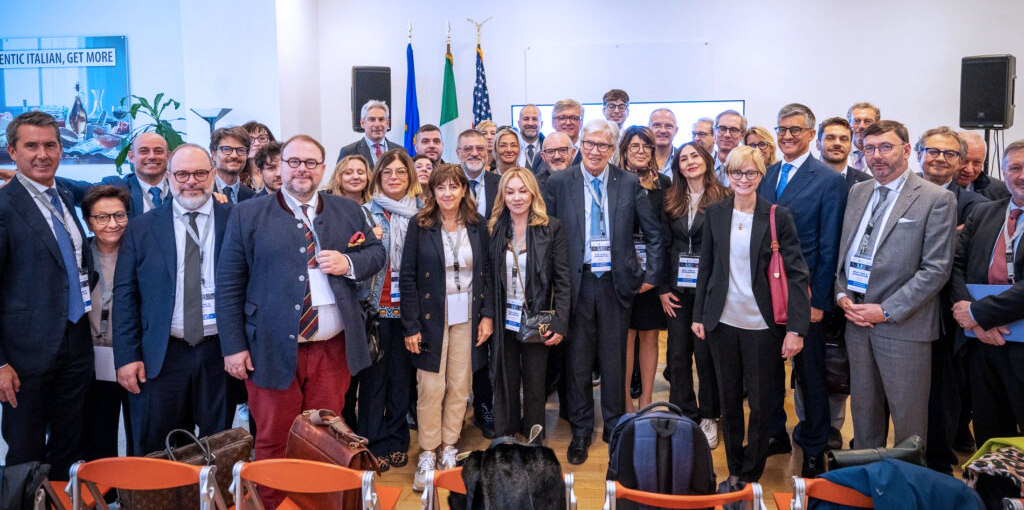
ITA, delegation NYC
Is there a specific topic you would like to see FCM focus on more strongly in the coming years?
I strongly believe that FCM could take an even more proactive role in helping our community respond to the two great transitions shaping the future: the digital transition and the green transition.
More specifically, I would like FCM to establish permanent task forces or expert working groups that develop practical tools and guidelines for accountants and liberal professionals to implement ESG standards effectively in daily practice. It would also be valuable to promote specific initiatives on AI governance, data security and digital trust frameworks, ensuring that our members can master new technologies responsibly and leverage them to add value for clients and society. Additionally, I believe the federation should invest further in nurturing the next generation of professionals, for example by creating mentorship programmes, international internships or exchange schemes that help young talents develop cross-cultural skills and an international mindset from the start of their careers.
By focusing on these priorities, FCM will reinforce its role as an essential driver of innovation and sustainability for our entire sector.
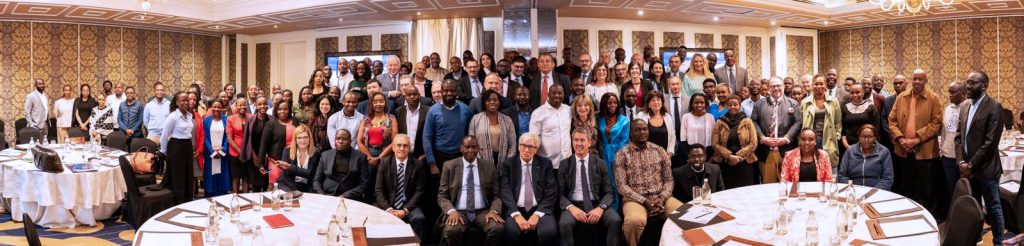
Kenya, delegation
Beyond your professional responsibilities, what hobbies or personal interests do you enjoy?
Beyond my daily professional and institutional commitments, I am a strong believer in the importance of maintaining balance through personal passions. One of my greatest joys is travelling, especially when I can combine business missions with opportunities to learn more about local communities, traditions and economic realities.
These experiences not only enrich me personally but also feed directly into my work, allowing me to bring fresh perspectives and concrete examples back to my organisation and peers.
I also deeply value spending quality time with my family, which I consider the most important anchor in my life. Whenever I have the chance, I enjoy reading — particularly books on geopolitics, economic trends and biographies of visionary leaders.
Finally, I feel a genuine passion for mentoring young professionals: supporting them in finding their own path at international level, sharing practical advice and encouraging them to cultivate curiosity and integrity. For me, this is not a hobby but a mission — and one of the most rewarding aspects of my journey so far.
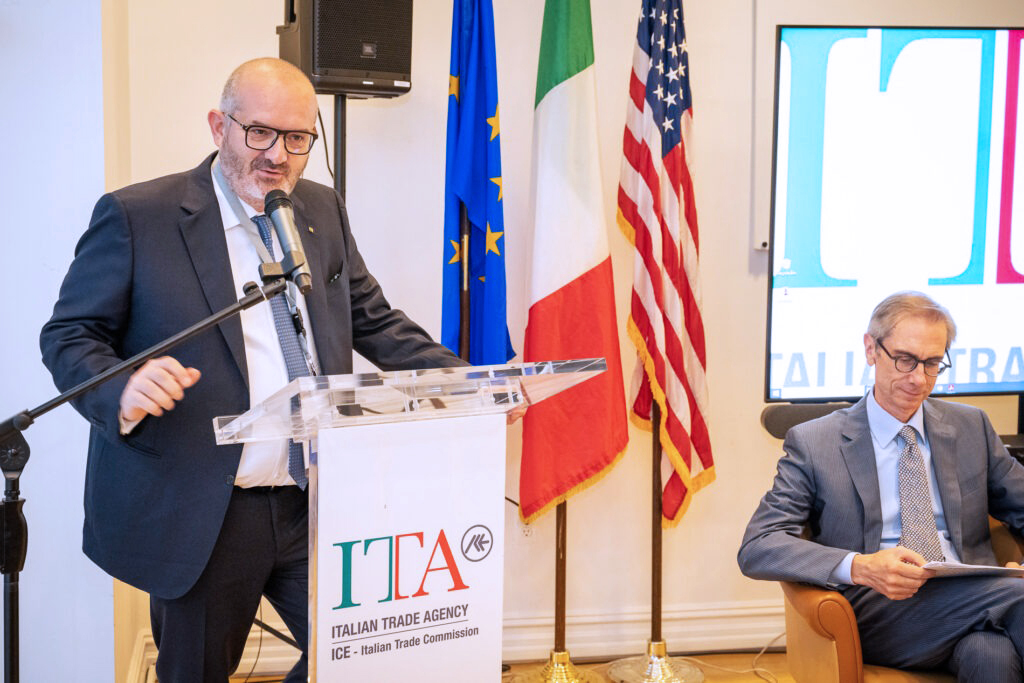
Luigi Alfredo Carunchio, ITA, NYC
If you could choose one Mediterranean destination for a short getaway, which one would it be — and why?
If I could choose one Mediterranean destination for a short break, it would definitely be the Greek islands. They represent, for me, a place where time seems to slow down, allowing space for contemplation, inspiration and genuine connection with nature and history.
The unique combination of breathtaking seascapes, rich cultural heritage and authentic local communities creates the perfect environment to unwind and recharge — something we all need in order to remain effective and focused in our demanding roles.
Moreover, the Greek islands symbolise what the Mediterranean spirit truly is: a crossroads of civilisations, a cradle of dialogue and coexistence, and a bridge between tradition and modernity. Every visit reminds me how important it is to preserve and cherish our common heritage, both as citizens and as professionals committed to building bridges rather than walls.
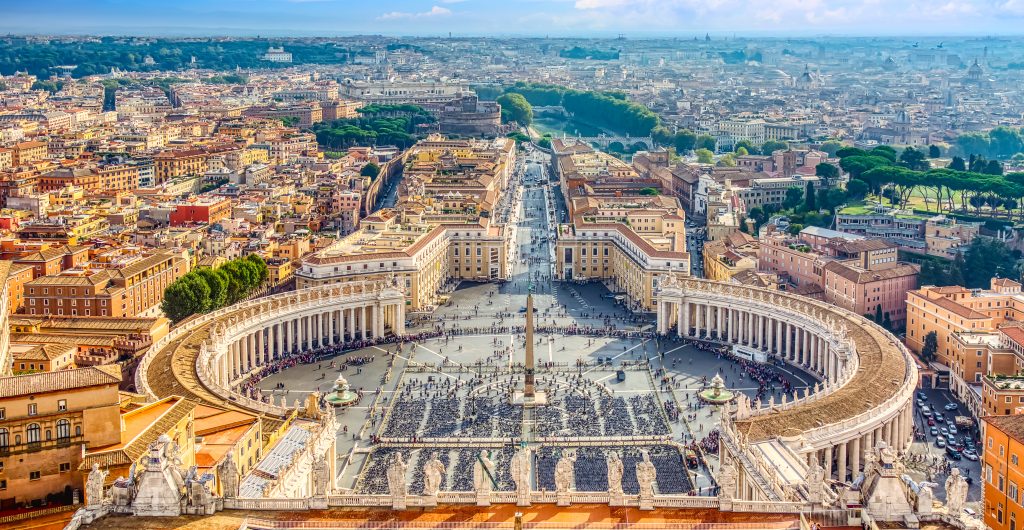
Rome
What message would you like to share with your fellow professionals and the wider FCM community?
One Mediterranean, Shared Challenges, Common Opportunities
My message is first and foremost one of gratitude and encouragement. I want to thank all my colleagues within the FCM for their commitment, their openness and their tireless work to raise the profile of our profession across borders. I invite everyone to remain curious, adaptable and courageous in facing the changes that lie ahead. Let us never underestimate the power of collective intelligence and solidarity: together, we can turn challenges into opportunities and ensure that the accountancy profession remains a fundamental pillar of sustainable economic growth and social cohesion in our societies. Finally, I urge us all to keep investing in the next generation. Let’s listen to young professionals, trust their ideas and equip them with the tools they need to grow with an international perspective and a strong ethical backbone.
If we do this — if we stay united, proactive and forward-looking — the Mediterranean can continue to be not only a geographic space, but also a symbol of openness, cooperation and shared prosperity for all.
This interview is part of the Mediterranean Voices series, a new communication initiative of Federation of Mediterranean Certified Accountants (FCM).
The objective of this series is to:
Now, let's meet Dr. Adrian Alo, Chairman of the Board Society of Certified Accountants and Auditors of Kosovo - SCAAK.
Please briefly introduce yourself.
My name is Adrian Alo, and I am currently serving as the Chairman of the Board of the Society of Certified Accountants and Auditors of Kosovo (SCAAK). I hold a Master’s degree in Finance from Arizona State University (ASU), where I deepened my knowledge in strategic financial management and public sector finance. Over the years, I have held several executive positions within the financial sector of Kosovo, working extensively in areas such as banking, microfinance, and financial governance. My focus has consistently been on strengthening transparency, empowering institutions, and elevating the standards of the profession both locally and regionally.
How would you describe your organization’s role within the accountancy profession and the Mediterranean community?
SCAAK is recognized as a center of excellence for the accountancy profession in Kosovo. We are dedicated not only to maintaining the highest standards in education, certification, and professional development but also to pioneering new areas such as ESG certification. By leading efforts to integrate Environmental, Social, and Governance principles into professional training and practice, SCAAK positions itself at the forefront of sustainable development in the Mediterranean region. Through regional cooperation and knowledge sharing, we aim to support harmonized practices that drive both economic growth and social responsibility.
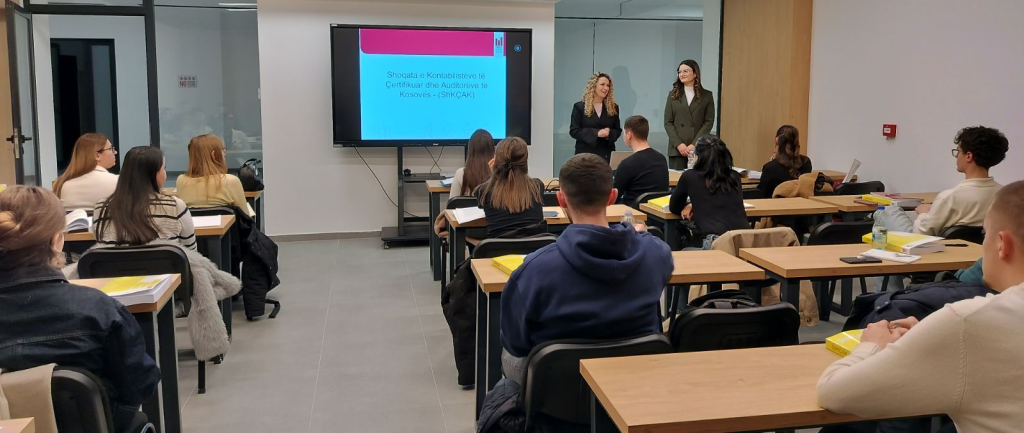
SCAAK headquarters
In your view, what are the main challenges and opportunities currently facing the accountancy profession?
The main challenges include adapting to rapid technological change, navigating complex regulatory environments, and maintaining trust in a time of increasing economic uncertainty. However, these are also opportunities. Digital transformation, for example, allows accountants to provide more strategic value. We also have an opportunity to lead on ESG reporting and sustainability assurance—areas where our skills are increasingly vital.
How is your organization preparing its members for technological developments such as digitalization, artificial intelligence, and ESG?
SCAAK is proactively integrating these themes into its training programs and curricula. We have launched initiatives focused on digital finance, AI in audit, and ESG reporting standards. Our aim is to equip our members not only with technical knowledge but also with the mindset to embrace innovation and lead responsibly.
What is the accountant's role in fostering economic and social sustainability today and in the future?
Accountants have a vital role as guardians of transparency and ethical conduct. By ensuring accurate reporting, promoting good governance, and guiding sustainable business decisions, we contribute directly to both economic and social resilience. In the future, our profession will be even more central in driving ESG metrics, climate-related disclosures, and sustainable investment practices.
What does being part of FCM mean to you and your organization?
Being part of FCM is both an honor and a strategic opportunity. It connects us with like-minded institutions across the Mediterranean that share our commitment to professionalism and public interest. FCM gives our voice a regional platform and strengthens our collective influence.
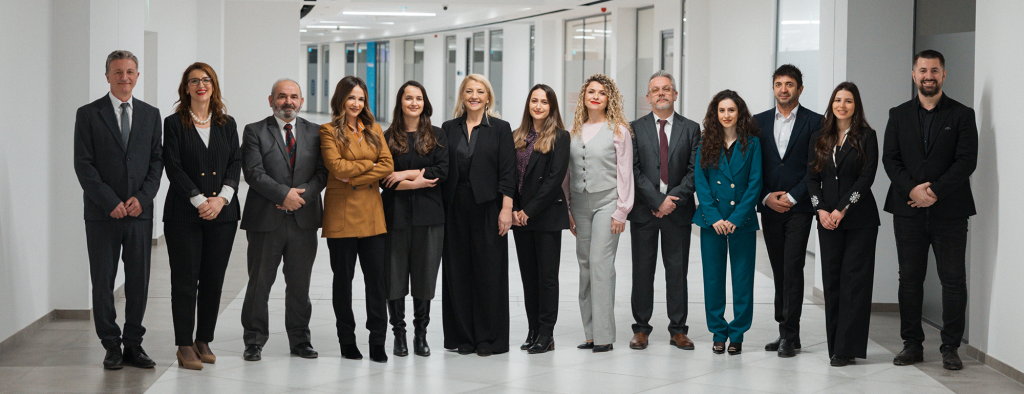
Executive Office Staff, SCAAK
What benefits would you highlight from participating in the FCM network?
The exchange of knowledge, regional advocacy, and professional solidarity are key benefits. FCM fosters collaboration on cross-border challenges and helps its members stay ahead of international developments. It also builds bridges between EU and non-EU countries, which is vital for mutual growth.
Is there a specific topic you would like to see FCM focus on more strongly in the coming years?
I would like to see FCM increase its focus on digital transformation and sustainability reporting. These are areas where regional cooperation can accelerate capacity building and harmonisation. I also believe supporting young professionals and women in leadership within the profession should be high on the agenda.
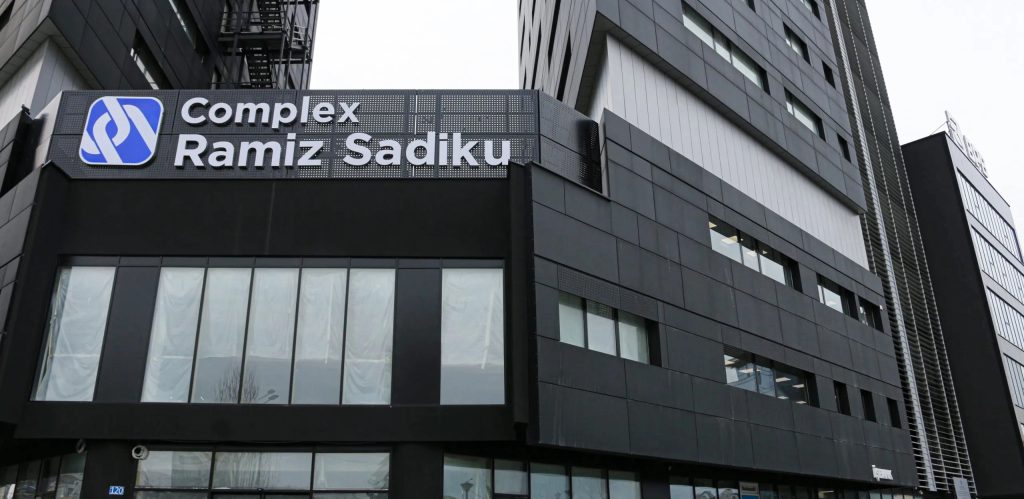
SCAAK headquarters
Beyond your professional responsibilities, what hobbies or personal interests do you enjoy?
Outside of work, I enjoy reading novels, watching films, hiking in the mountains of Kosovo, skiing on the beautiful slopes of Kosovo, and spending time with my family. I find that nature provides a great balance to the fast pace of professional life.
If you could choose one Mediterranean destination for a short getaway, which one would it be — and why?
It is the most difficult question; however, I would choose one of these hidden gems: the Douro Valley in Portugal, Oludeniz Turkiye, or Chania in Crete, Greece. Each offers stunning natural beauty, tranquility, and a chance to connect with the rich cultural heritage of the Mediterranean. These places remind me of the shared history and diversity that unite our region, making them perfect spots for relaxation and reflection.

Prishtina, Kosovo
What message would you like to share with your fellow professionals and the wider FCM community?
We are living in a time of transformation - for our economies, our societies, and our profession. As accountants, we have the tools and responsibility to shape a more transparent, inclusive, and sustainable future. The Mediterranean region, with its shared history, common values, and role as a crossroads of civilizations, gives us a unique foundation for collaboration. I encourage all of us in the FCM community to build on this heritage, lead with integrity, embrace innovation, and work together to advance our shared goals.
This interview is part of the Mediterranean Voices series, a new communication initiative of Federation of Mediterranean Certified Accountants (FCM).
The objective of this series is to:
Today with Dr. Yahya Arikan, secretary general of TÜRMOB Union of Chambers of Certified Public Accountants and Sworn-in Certified Public Accountants of Türkiye.
Please briefly introduce yourself.
I am Yahya Arıkan, the Secretary General of TÜRMOB (Union of Chambers of Certified Public Accountants and Sworn-in Certified Public Accountants of Türkiye). I graduated from the Istanbul Academy of Economic and Commercial Sciences in 1976. I have been practicing my profession since 1979. Throughout my career, I have been actively involved both in practical work and in shaping the organizational structure of our profession. I served as the President of the Istanbul Chamber of Certified Public Accountants of Türkiye for many years and held various positions under the roof of TÜRMOB. Between 2004 and 2008, I served as the Vice President of TÜRMOB. From 2008 to 2016, I was the Chairman of TÜRMOB’s Anti-Unfair Competition Committee. Since 2016, I have been serving as the Secretary General of TÜRMOB.
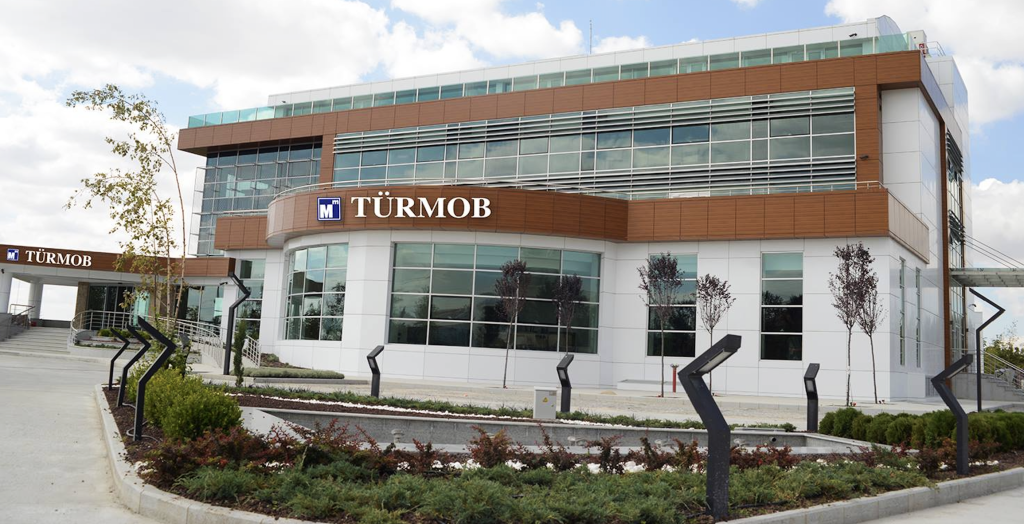
TÜRMOB headquarters
How would you describe your organization’s role within the accountancy profession and the Mediterranean community?
TÜRMOB (the Union of Chambers of Certified Public Accountants and Sworn-in Certified Public Accountants of Türkiye) is the unique professional body representing approximately 130,000 certified public accountants and sworn-in certified public accountants across Türkiye. Since our establishment in 1989, contributing to the development of the profession has been among our core principles—not only at the national level but also regionally.
As a founding member of the Fédération des Experts Comptables Méditerranéens (FCM), we facilitate the exchange of knowledge and experience among professional organizations in the Mediterranean and strengthen cooperation based on shared values. Additionally, as a member of both Accountancy Europe and the International Federation of Accountants (IFAC), we closely follow the global agenda of the profession and channel the knowledge and experience gained back to our country and region. Through these multi-layered collaborations, we believe in the importance of producing common solutions to shared challenges and jointly guiding the future of the profession. Accordingly, we actively take on a role in enhancing knowledge sharing, mutual learning, and cooperation opportunities with professional organizations in the region.
In your view, what are the main challenges and opportunities currently facing the accountancy profession?
Today, our profession is undergoing a multidimensional transformation driven by rapidly evolving technological change, increasing regulatory frameworks, and rising expectations in the field of sustainability. While this represents a major challenge, it also offers an opportunity to position the accountancy profession more strategically.
Our primary responsibility is to prepare our members for this transformation, enhance their competencies in digitalization and sustainability, and strengthen the strategic role of the profession.
Moreover, issues such as data security, the safeguarding of ethical principles, and attracting younger generations to the profession are also among the key priorities for the upcoming period. If we can turn these challenges into opportunities, the accountancy profession will be better positioned to meet society’s growing need for economic transparency and trust.
How is your organization preparing its members for technological developments such as digitalization, artificial intelligence, and ESG?
At TÜRMOB, we prioritize digital transformation. We are in the process of updating our training programs to reflect these areas. Topics such as e-applications, digital accounting systems, the impacts of artificial intelligence, and ESG reporting are becoming core components of our continuing professional education.
We continuously develop curricula, produce corresponding materials, and carry out projects within these fields.
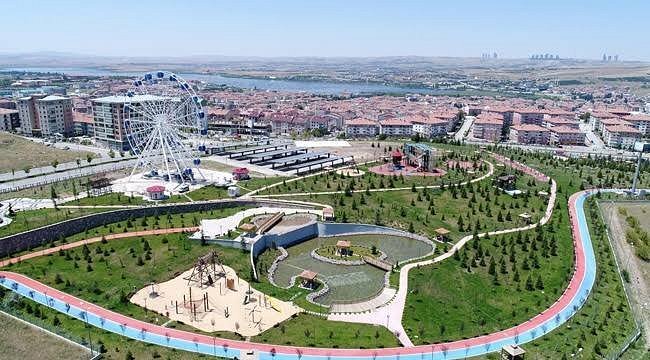
Gölbaşı, Ankara
What is the accountant's role in fostering economic and social sustainability today and in the future?
Accountants are not only experts who prepare financial statements; they also serve as the ethical and transparency compass of the business world. They act as an important bridge to ensure that not only the economic dimension but also the social aspect of sustainability can be monitored and reported. Therefore, it is inevitable for accountants to be key actors in sustainable development.
What does being part of FCM mean to you and your organization?
TÜRMOB is one of the founding members of Fédération des Experts Comptables Méditerranéens (FCM). Therefore membership in FCM is not merely a representational role; it is a responsibility to contribute to a shared professional vision. Engaging in the exchange of ideas with colleagues from different countries, sharing best practices, and strengthening regional cooperation hold great value for us. Through our FCM membership, we contribute to the future of our profession in the Mediterranean region and gain the opportunity to develop joint solutions to common challenges. At the same time, we continuously keep ourselves updated in aligning with global professional standards and developing innovative approaches.
For TÜRMOB, FCM membership is a vital part of its mission to contribute to the international accountancy community.
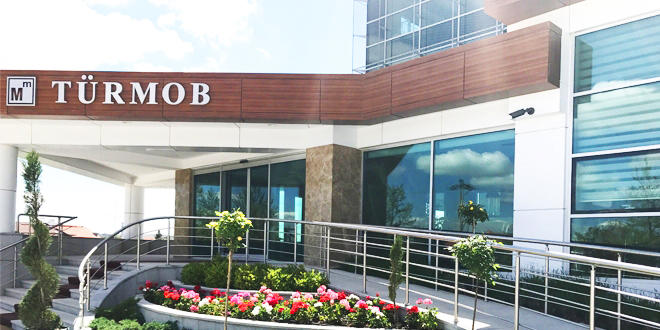
TÜRMOB headquarters
What benefits would you highlight from participating in the FCM network?
FCM enables us to harness the synergy that stems from both cultural and professional diversity. Among its most valuable contributions are the development of region-specific solutions to shared challenges, the facilitation of effective knowledge transfer, and the shaping of shared approaches to professional challenges. Moreover, FCM provides a strong platform for presenting a unified voice on international stages.
Is there any topic you would like FCM to focus on in the coming years?
I believe that climate change and sustainability reporting will become even more central to the accountancy profession in the coming years. It would be highly valuable for FCM to strengthen its role as a regional guide in this area. Additionally, the social implications and ethical dimensions of digitalization and artificial intelligence should also remain on FCM’s radar.
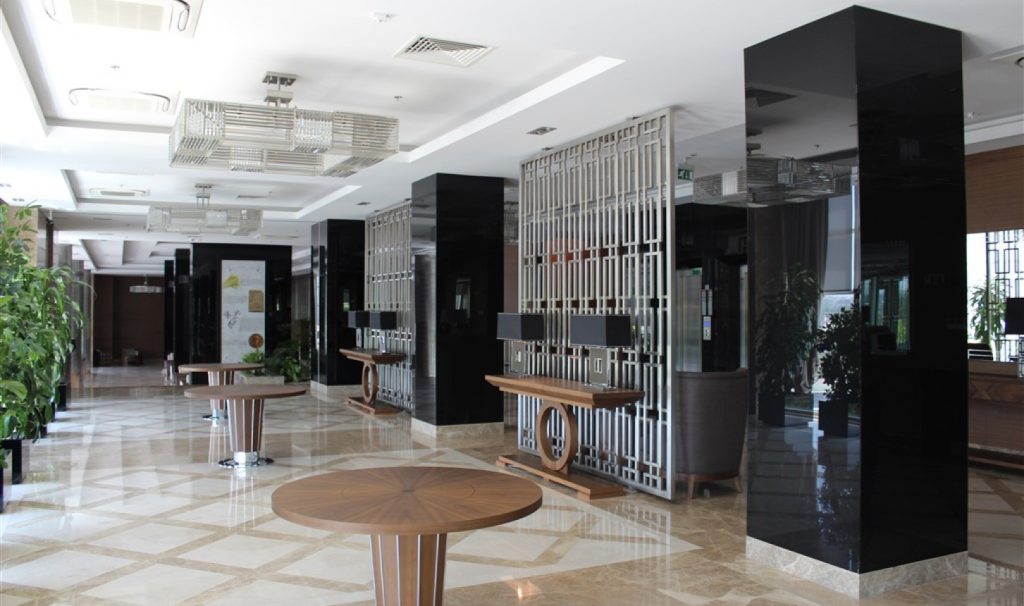
TÜRMOB headquarters
Beyond your professional responsibilities, what hobbies or personal interests do you enjoy?
I have extensive experience in producing television programs and writing opinion columns related to the profession. For me, writing is not just a means of expression, but also one of the most powerful ways to shape and share ideas.
Learning and teaching are indispensable parts of life. I take great pleasure in closely following new developments, sharing knowledge and experience with younger colleagues, and speaking at conferences. I firmly believe that knowledge grows when shared, and therefore, I make a conscious effort to embrace every opportunity for education and professional development.
If you could choose one Mediterranean destination for a short getaway, which one would it be — and why?
Each part of the Mediterranean offers its own distinct color and flavor. I’ve had the opportunity to visit many countries across the region, and each one has left a lasting impression with its unique culture and natural beauty.
However, if I had to choose, my heart would always lean toward the Mediterranean coast of my own country, Türkiye. With its rich history, stunning nature, exquisite cuisine, and warm hospitality, this region offers a truly soul-soothing and inspiring holiday experience.
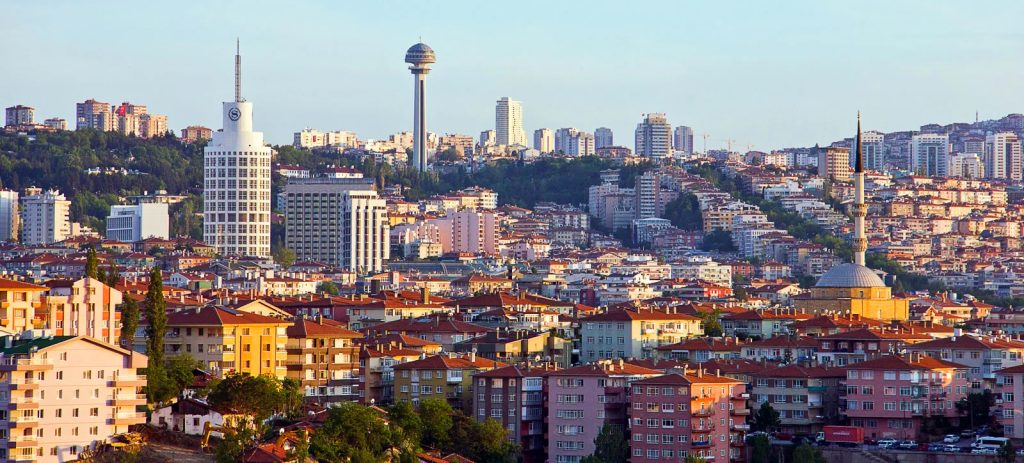
Ankara
What message would you like to share with your fellow professionals and the wider FCM community?
The accounting profession today goes beyond simply managing numbers; it also upholds ethical values, transparency, and social responsibility.With this mindset, under the FCM umbrella, we share not only knowledge but also a common vision. Together, we have an important opportunity to strengthen our collaboration and shape the future of our profession. Throughout this process, it is crucial that all our colleagues approach change with openness, adapt to innovations, and contribute to a culture of solidarity. We can turn the Mediterranean into more than just a region on the map—it can become a center for professional solidarity, knowledge sharing, and collective growth. Being part of FCM is one of the significant steps on this shared journey.
This interview is part of the Mediterranean Voices series, a new communication initiative of Federation of Mediterranean Certified Accountants (FCM).
The objective of this series is to:
Today with Dr. Apostolos Polyzos, president of SOEL the Institute of Certified Public Accountants of Greece.
Please briefly introduce yourself.
I am a Certified Public Accountant, a graduate of the Department of Economics, University of Macedonia. I began my career in 1984 at the Institute of Certified Public Accountants of Greece and since 1993 I have been working at the Audit Firm SOLCrowe, of which I am a co-founder. I have many years of experience in auditing at private and public sector companies, in matters of acquisitions, mergers and complex accounting issues, while I actively participated in SOEL educational seminars. Since 2003 I am Member of the Supervisory Council of SOEL, and as of May 2024, I am the President of SOEL GR.
How would you describe your organization’s role within the accountancy profession and the Mediterranean community?
The Institute of Certified Public Accountants of Greece (SOEL) is the body of the auditing profession in Greece, with the mission of defending the quality, transparency, and reliability of financial information, as well as the education and professional development of Certified Public Accountants.
At the level of the Mediterranean community, we operate as a bridge for cooperation and exchange of common practices as well as strengthening the common voice of professionals in the field. Through our participation in international and regional networks, such as FCM, we seek to actively contribute to the formulation of policies that support economic stability and investor confidence in the wider Mediterranean region.
SOEL headquarters
In your view, what are the main challenges and opportunities currently facing the accountancy profession?
The auditing profession is currently at the center of a profound transformation, determined by three main axes:
However, within these challenges, great opportunities also emerge, namely the strengthening of the profession's credibility and the expansion of services into new areas (such as the assurance of non-financial information).
At SOEL, we work systematically to prepare the professionals of tomorrow, to incorporate innovation and to strengthen the voice of the profession at the national, European and Mediterranean levels.
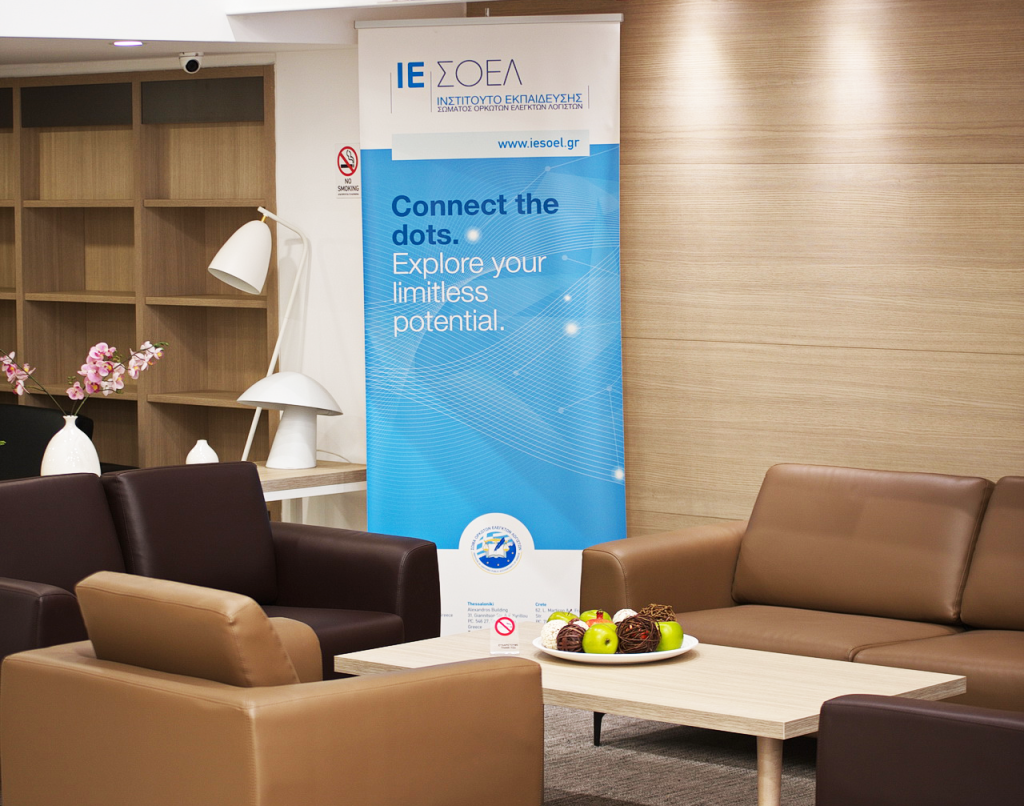
SOEL headquarters
How is your organization preparing its members for technological developments such as digitalization, artificial intelligence, and ESG?
At SOEL, we have prioritized enhancing member readiness in the face of rapid technological and institutional developments, recognizing that the transition to a new, digitalized and sustainable environment is not a future challenge, but a present reality.
More specifically, through the Institute of Education of SOEL (IESOEL):
What is the accountant's role in fostering economic and social sustainability today and in the future?
The Certified Public Accountant plays a crucial and multidimensional role in promoting economic and social sustainability. His contribution is not limited to the verification of financial statements, but extends to strengthening the accountability, transparency and responsibility of businesses.
At a social level, the Certified Public Accountant is now called upon to audit and provide assurance for non-financial information, regarding the footprint of businesses on the environment, society and governance (ESG).
At SOEL, we support this new strategic role of Certified Public Accountants, preparing them to be not just auditors, but modern guarantors of transparency, sustainability and trust.
What does being part of FCM mean to you and your organization?
SOEL is one of the founding members of FCM and its participation in its endeavours constitutes a strategically important institution of cooperation, knowledge exchange and joint action within the framework of the Mediterranean family of auditing and accounting professionals.
We believe in the importance of regional cooperation and FCM represents for us a community of trust, progress and professional solidarity, to which we are proud to belong.
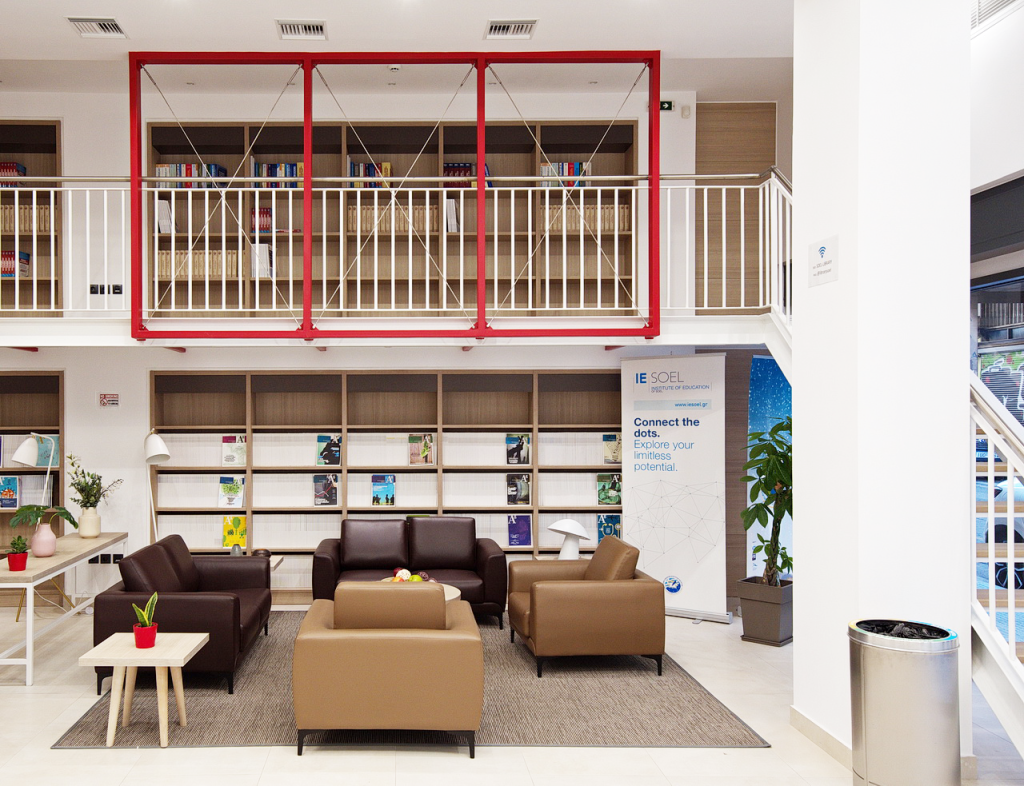
SOEL headquarters
What benefits would you highlight from participating in the FCM network?
I would like to particularly highlight the following benefits:
Is there any topic you would like FCM to focus on in the coming years?
We would suggest that emphasis be placed on:
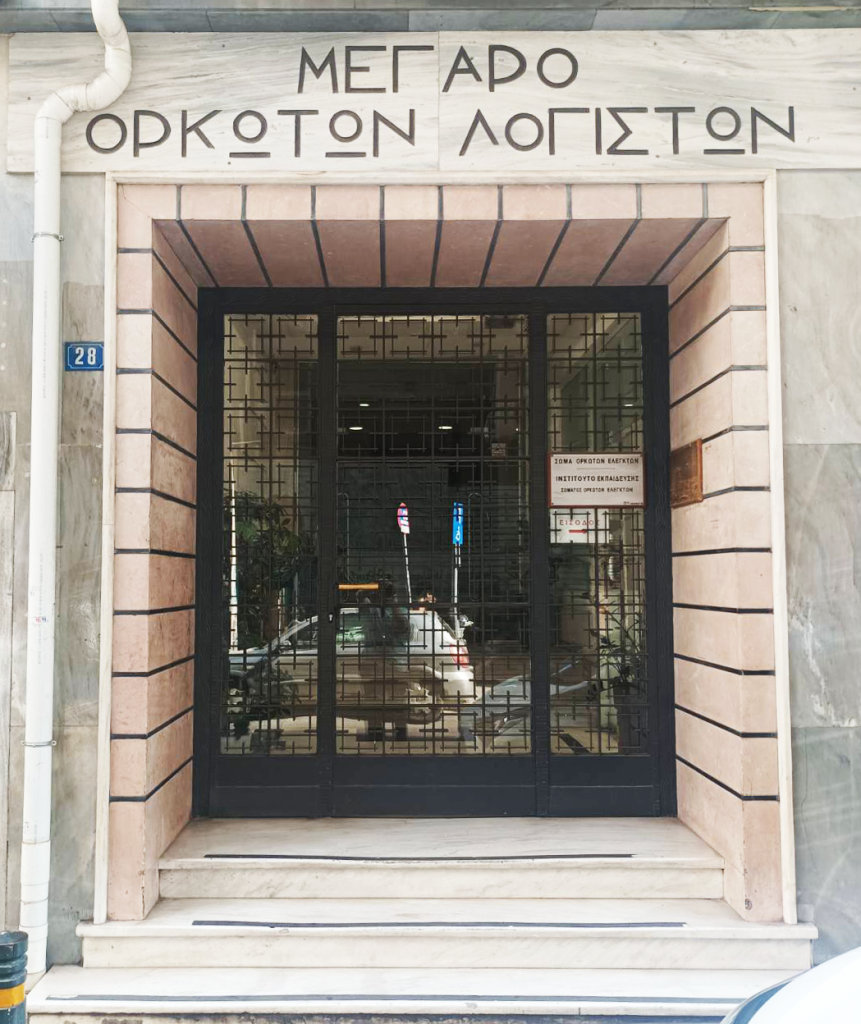
SOEL headquarters
If you could choose one Mediterranean destination for a short getaway, which one would it be — and why?
The Mediterranean is an inexhaustible treasure of culture, history, natural beauty and human warmth.
For this reason, it would be extremely difficult – and perhaps unfair – for me to single out just one destination. Every place in the Mediterranean offers something unique, whether it is tranquility, inspiration, contact with culture or with ourselves.
Instead, I will say that the ideal escape is one that allows us to connect with hospitality, dialogue, coexistence, and balance – values that, as in our profession, are timelessly precious.
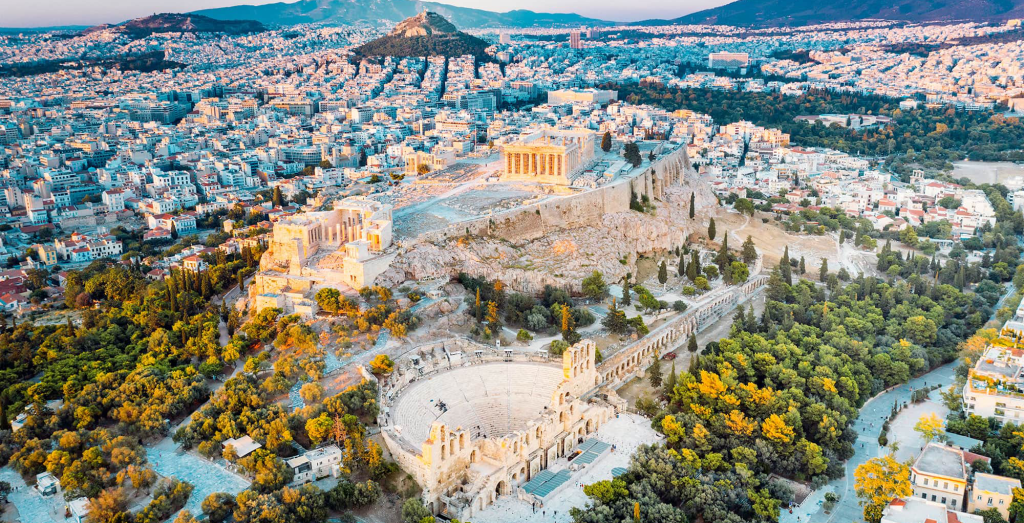
Athens
What message would you like to share with your fellow professionals and the wider FCM community?
My message to my colleagues and the wider FCM family is simple but essential:
This interview is part of the Mediterranean Voices series, a new communication initiative of Federation of Mediterranean Certified Accountants (FCM).
The objective of this series is to:
Now, let's meet Dr. Ylber Prekazi, executive director of the AAB Institute for Certified Accountants and Auditors.
Please briefly introduce yourself.
I am Prof. Ass. Dr. Ylber Prekazi, currently serving as the Executive Director of the AAB Institute for Certified Accountants and Auditors, as well as a professor in finance and accounting at AAB College in Kosovo. I hold a PhD in economics, with a focus on the impact of financial reporting on the financial performance of commercial companies. My experience has been built through a continuous combination of academia, scientific research, and professional practice in the field of accounting.
How would you describe your organization’s role within the accountancy profession and the Mediterranean community?
The AAB Institute, a professional body in accounting and auditing, plays a key role in the professional development of accountants and auditors in Kosovo through certification, continuing education, and raising ethical and professional standards. Our aim is to promote a strong, trustworthy, and future-ready profession capable of meeting both local and global especially Mediterranean, market challenges. We are committed to building international bridges and sharing best practices.

Kosovo
In your view, what are the main challenges and opportunities currently facing the accountancy profession?
The main challenges include adapting to new technologies, meeting the growing demand for transparency and sustainability reporting, the lack of digital skills among professionals, and pressure to maintain independence and ethics. At the same time, there are great opportunities for innovation, automation, integration of new standards like ESG into reporting, and strengthening the strategic impact of accountants within organizations. Another important challenge is the supervision of the implementation of legislation in the field of the accounting profession by the supervisory board, where many individuals or entities are not fully compliant with IFRS reporting standards.
How is your organization preparing its members for technological developments such as digitalization, artificial intelligence, and ESG?
The AAB Institute has begun reforming its approach to professional education by integrating new modules on technology, ESG, and digital transformation into its certification and continuing training programs. We also organize training sessions and seminars with internationally experienced experts to prepare our members for the future of the profession.
What is the accountant's role in fostering economic and social sustainability today and in the future?
The accountant is one of the key actors in measuring, reporting, and promoting sustainability. Through accurate ESG data reporting, they help organizations make informed decisions and create long-term value for all stakeholders. Their role will become even more important in building a more responsible and sustainable economy in the future. Our country, Kosovo, as it goes through the preparatory phases of European integration, will see increasing demands on the auditing and accounting profession, which will continue to grow and be required more than ever.
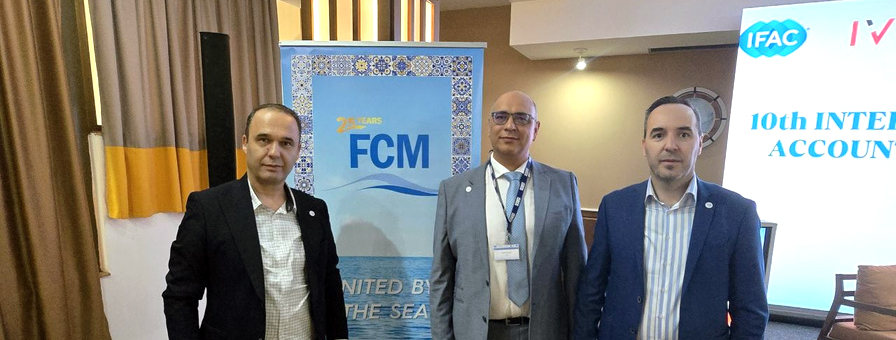
Avni Berisha, Chairman of the Board of the ABB Nelson Ferreira, FCM president Dr. Ylber Prekazi, Executive Director of the AAB
What does being part of FCM mean to you and your organization?
For us, being part of FCM represents an outstanding opportunity for networking, international cooperation, and knowledge sharing with partner organizations in the Mediterranean region. Membership in FCM has opened new avenues of collaboration with similar organizations across the Mediterranean and beyond, enabling our staff and members to benefit from professional networking, participation in international forums, and the exchange of best practices. It is a valuable platform to contribute and learn from others about the challenges and advances in the accounting profession.
What benefits would you highlight from participating in the FCM network?
We emphasize the importance of experience exchange, access to advanced practices and standards, technical support, as well as the opportunity for future cooperation in joint projects for professional development and continuing education. Although we are a new member, our participation in FCM events and initiatives helps us stay updated on global developments in the field.
Is there a specific topic you would like to see FCM focus on more strongly in the coming years?
It would be highly valuable if FCM could deepen its work and initiatives in integrating technology into the accounting profession, especially the use of artificial intelligence, sustainability data reporting, and the development of joint training modules for members across the network.
Beyond your professional responsibilities, what hobbies or personal interests do you enjoy?
Beyond professional and academic commitments, I am actively involved in the sports community, particularly in trail running. I am a member of the trail running group “Gërmia555” and have participated in many local and international races, such as the Split Marathon in Croatia, the Tirana Marathon in Albania, the Prishtina Marathon in Kosovo, the Pogradec Half-Marathon in Albania, and various trail races in Sharr, Gërmia, Gjilan, and Gjakova. For me, sport is a way of life that helps maintain physical and mental balance, and keeps me motivated and committed in all areas of life. I also have a deep interest in culture, art, and literature related to personal development and leadership.
If you could choose one Mediterranean destination for a short getaway, which one would it be — and why?
I would choose Dubrovnik, Croatia, a city that combines natural beauty with cultural heritage and a rich history. It is an inspiring place offering relaxation, reflection, and appreciation for Mediterranean heritage. Dubrovnik, beyond its natural and cultural value, holds a special connection to Albanian and Illyrian history, our ancestors. It represents a meeting point of Mediterranean civilizations and a heritage that reflects the intertwining of our history with that of our neighbors. For me, Dubrovnik inspires not only for its beauty but also for the layers of history that connect our peoples
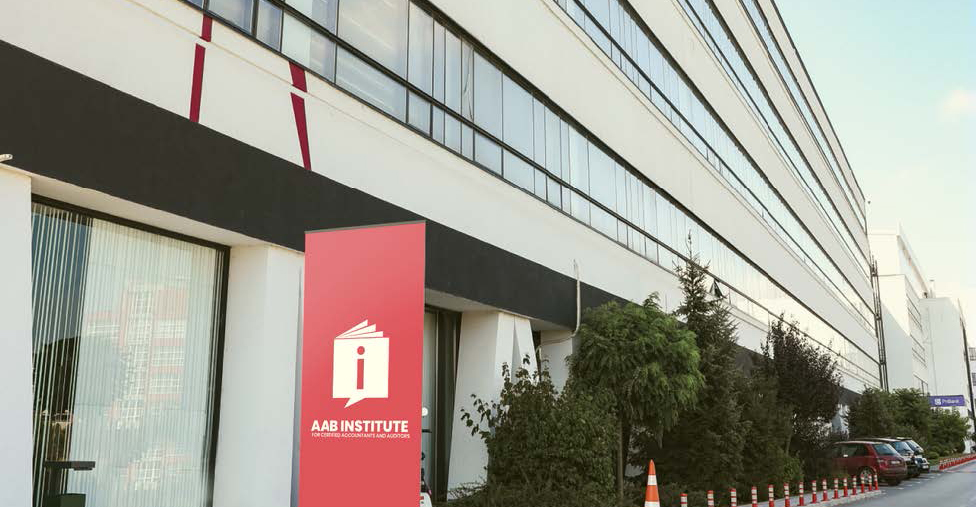
ABB headquarters
What message would you like to share with your fellow professionals and the wider FCM community?
In a world that is changing rapidly, collaboration and the sharing of knowledge and experience are key to strengthening our profession. Let us stay open to change, embrace technology, and remain committed to ethics and sustainability. Together, we can build a stronger and more sustainable future for the accounting profession in the Mediterranean region and beyond.

